
Printable Diverticulosis Diet
Printable Diverticulosis Diet - Adding more fibre to your diet may help reduce the chances of developing symptoms or other complications of diverticulitis in the future. How is a diverticulosis diet different from a regular diet? On a clear liquid diet, you can eat: The average american diet includes only about 12 to 15 grams (g) of fiber a. Individuals experiencing episodes of diverticulitis are recommended to adjust their diet as it has been proven to significantly improve most of their symptoms. A high fiber diet is still overall recommended to reduce risk of diverticulosis as well as diverticulitis (inflamed diverticula) that may develop from diverticulosis. Eat higher fibre foods often fibre may help prevent diverticula (sacs or pouches in the colon) from forming and may make symptoms. The following steps may help reduce the risk of getting diverticular disease or a flare up of diverticulitis. Enjoy a healthy diet that includes a wide variety of foods. With diverticulitis, what you eat and drink can depend on your symptoms. Adding more fibre to your diet may help reduce the chances of developing symptoms or other complications of diverticulitis in the future. It is recommended that patients with diverticular disease eat a healthy, balanced diet including good sources of fibre from wholegrains, fruit and vegetables and ensure having adequate fluid. A diet low in fiber may help reduce gi discomfort during flares of diverticulitis by reducing frequency of stools. This resource will help you choose what to eat to help manage diverticular disease. Traditionally, patients with diverticular disease have been advised to follow a high fibre diet to manage their symptoms. Enjoy a healthy diet that includes a wide variety of foods. The disease was first noticed in the united states in the. Coffee and tea without milk or nondairy creamer. Diverticulosis is a common condition that affects your large intestine. Diverticular disease is when small pockets develop in the lining of the. Enjoy a healthy diet that includes a wide variety of foods. Even though about 58% of people over the age of 60 have this condition, most people never experience symptoms. However, if you are experiencing symptoms, particularly diarrhoea. A high fiber diet is still overall recommended to reduce risk of diverticulosis as well as diverticulitis (inflamed diverticula) that may develop. During episodes of diverticulitis, it is helpful to eat a relatively bland diet avoiding irritant foods. Patients find that a diet food list for diverticulitis including examples of clear liquids, bland foods, and foods with fiber, helps when selecting what to eat during episodes of discomfort. A diet low in fiber may help reduce gi discomfort during flares of diverticulitis. Coffee and tea without milk or nondairy creamer. While a diet high in fiber may help prevent diverticulosis and thus diverticulitis; How is a diverticulosis diet different from a regular diet? With diverticulitis, what you eat and drink can depend on your symptoms. On a clear liquid diet, you can eat: Diverticulosis is a common condition that affects your large intestine. Diverticular disease is when small pockets develop in the lining of the. The average american diet includes only about 12 to 15 grams (g) of fiber a. These are high fibre foods such as onions, fruit and vegetable skins, seeds and nuts. Individuals experiencing episodes of diverticulitis are recommended to. Diverticular disease is when small pockets develop in the lining of the. However, if you are experiencing symptoms, particularly diarrhoea. How is a diverticulosis diet different from a regular diet? Individuals experiencing episodes of diverticulitis are recommended to adjust their diet as it has been proven to significantly improve most of their symptoms. The disease was first noticed in the. It is recommended that patients with diverticular disease eat a healthy, balanced diet including good sources of fibre from wholegrains, fruit and vegetables and ensure having adequate fluid. It is a common belief that when you have. However, if you are experiencing symptoms, particularly diarrhoea. Even though about 58% of people over the age of 60 have this condition, most. It is recommended that patients with diverticular disease eat a healthy, balanced diet including good sources of fibre from wholegrains, fruit and vegetables and ensure having adequate fluid. Dietary fibre is part of fruits, grains and vegetables that our bodies are unable to digest and thus helps to improve the bulk of stools and helps to keep bowel motions regular.. Coffee and tea without milk or nondairy creamer. Dietary fibre is part of fruits, grains and vegetables that our bodies are unable to digest and thus helps to improve the bulk of stools and helps to keep bowel motions regular. Traditionally, patients with diverticular disease have been advised to follow a high fibre diet to manage their symptoms. While a. Patients find that a diet food list for diverticulitis including examples of clear liquids, bland foods, and foods with fiber, helps when selecting what to eat during episodes of discomfort. While a diet high in fiber may help prevent diverticulosis and thus diverticulitis; These are high fibre foods such as onions, fruit and vegetable skins, seeds and nuts. Coffee and. The following steps may help reduce the risk of getting diverticular disease or a flare up of diverticulitis. Adding more fibre to your diet may help reduce the chances of developing symptoms or other complications of diverticulitis in the future. Traditionally, patients with diverticular disease have been advised to follow a high fibre diet to manage their symptoms. Diverticular disease. It is a common belief that when you have. It occurs when small pouches form in your intestine and push outward, like tiny balloons, at weak spots in your colon. Enjoy a healthy diet that includes a wide variety of foods. Adding more fibre to your diet may help reduce the chances of developing symptoms or other complications of diverticulitis in the future. Eat higher fibre foods often fibre may help prevent diverticula (sacs or pouches in the colon) from forming and may make symptoms. A high fiber diet is still overall recommended to reduce risk of diverticulosis as well as diverticulitis (inflamed diverticula) that may develop from diverticulosis. A diet low in fiber may help reduce gi discomfort during flares of diverticulitis by reducing frequency of stools. How is a diverticulosis diet different from a regular diet? The average american diet includes only about 12 to 15 grams (g) of fiber a. With diverticulitis, what you eat and drink can depend on your symptoms. Enjoy a healthy diet that includes a wide variety of foods. Patients find that a diet food list for diverticulitis including examples of clear liquids, bland foods, and foods with fiber, helps when selecting what to eat during episodes of discomfort. Diverticular disease is when small pockets develop in the lining of the. Traditionally, patients with diverticular disease have been advised to follow a high fibre diet to manage their symptoms. Diverticulosis is a common condition that affects your large intestine. Individuals experiencing episodes of diverticulitis are recommended to adjust their diet as it has been proven to significantly improve most of their symptoms.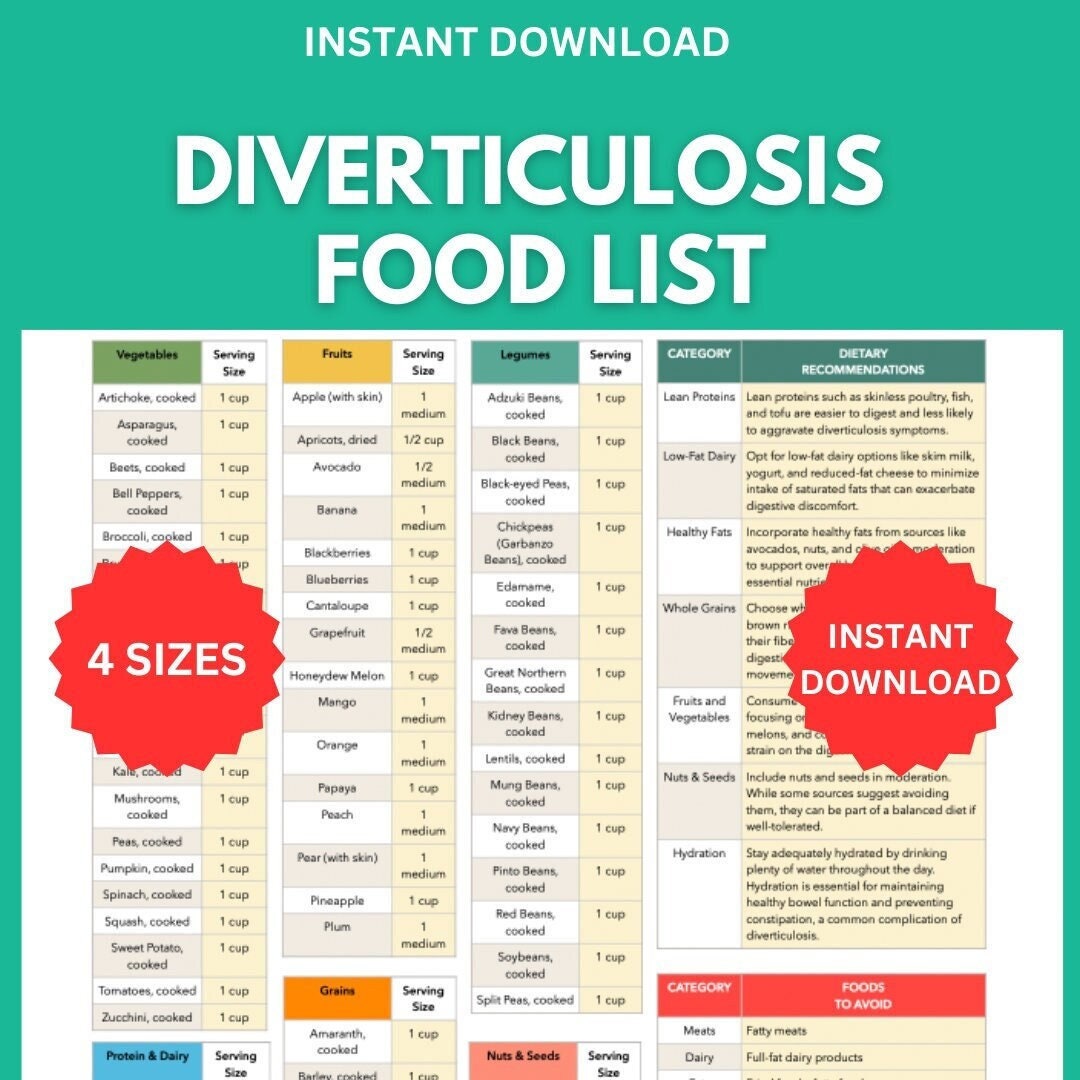
Diverticulosis Food List, Printable Diverticulosis Food List With Gut

Printable Diverticulosis Food Diverticulitis Food Chart

Printable Diverticulosis Diet Handout
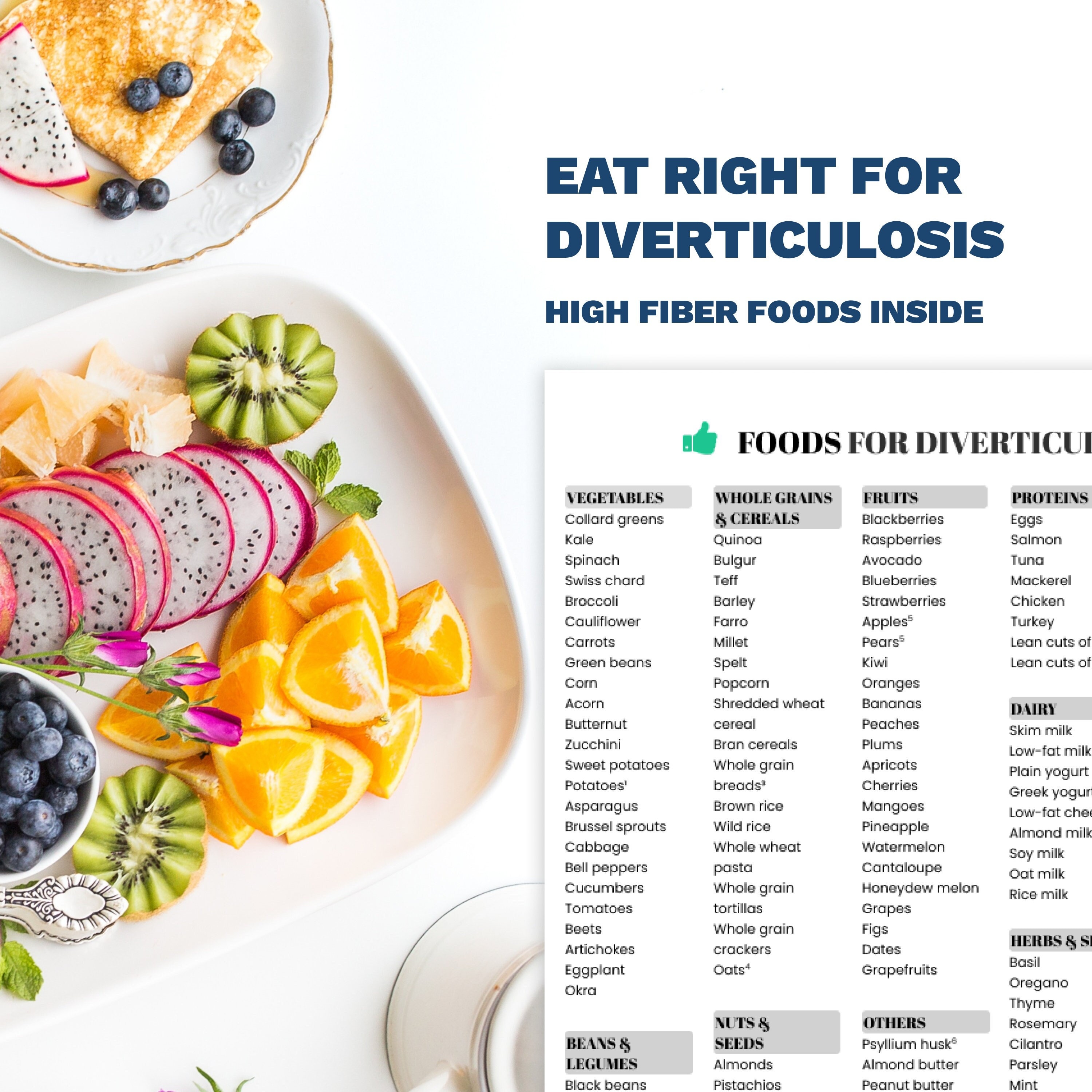
Comprehensive Foods for Diverticulosis List Highfiber Diet Guide for

Printable Diverticulosis Food Diverticulitis Food Chart
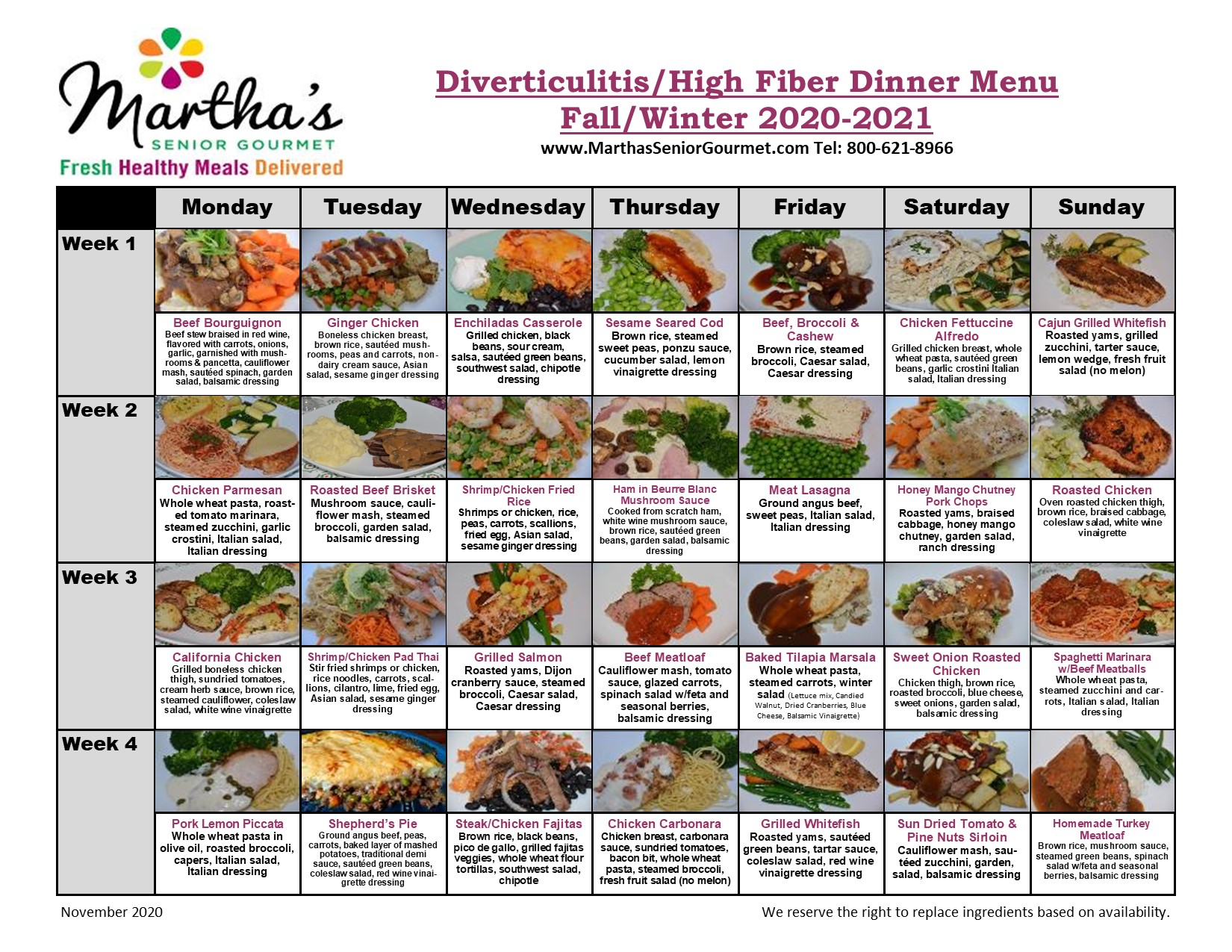
Printable Diverticulosis Food Diverticulitis Food Chart
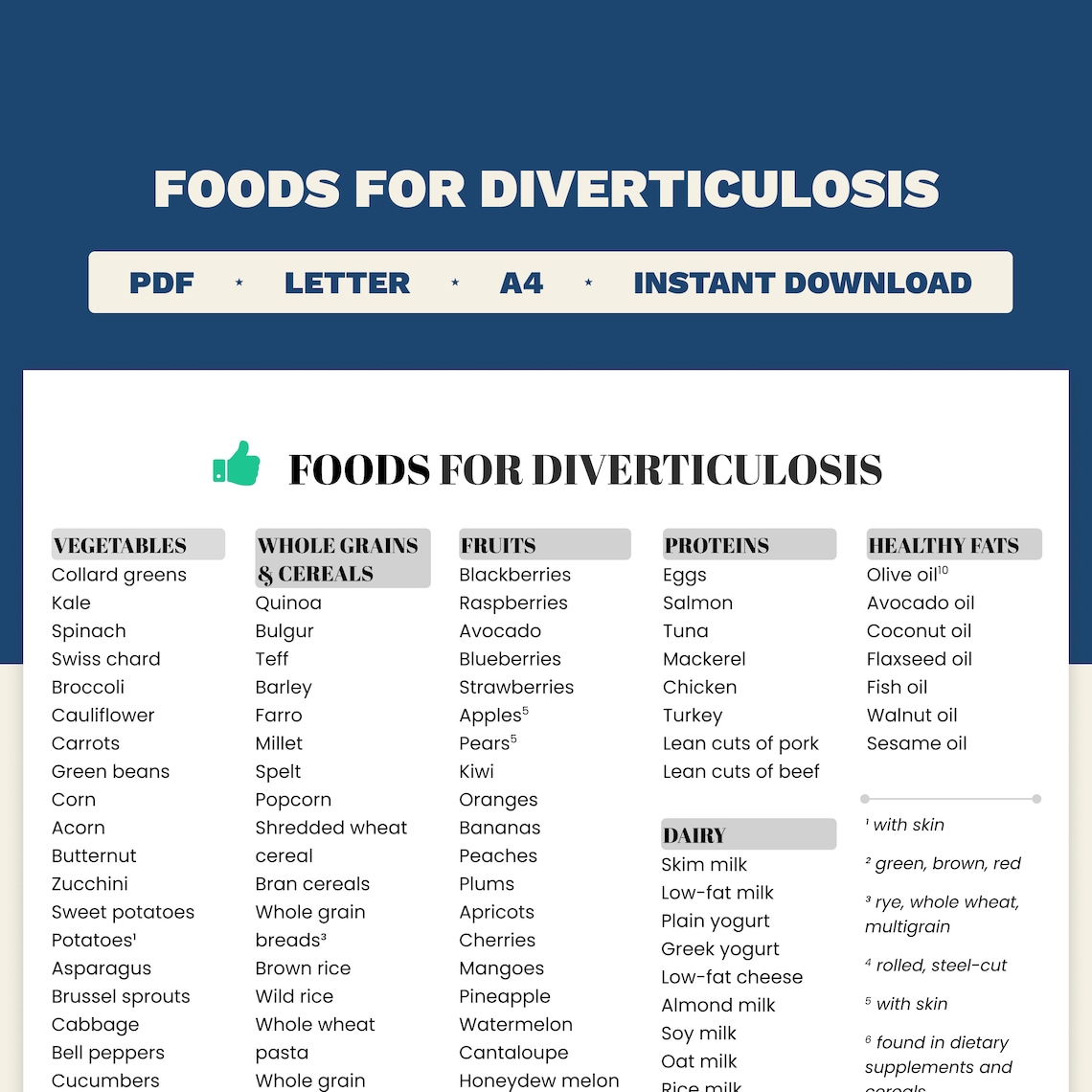
Comprehensive Foods for Diverticulosis List Highfiber Diet Guide for
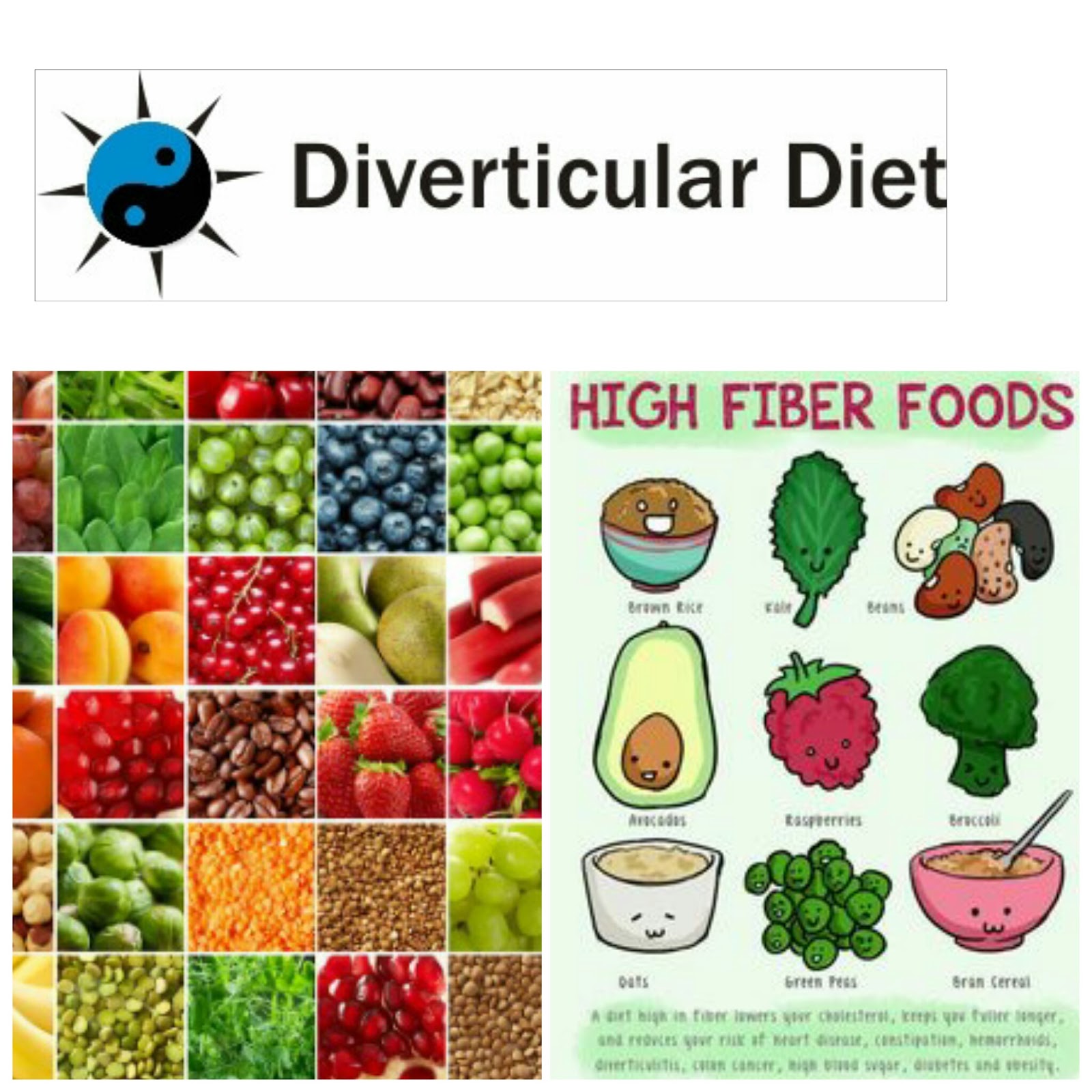
Diverticulosis Food Diverticulitis Food Chart

Printable Diverticulosis Diet Handout

Printable Diverticulosis Food Diverticulitis Food Chart
On A Clear Liquid Diet, You Can Eat:
The Disease Was First Noticed In The United States In The.
It Is Recommended That Patients With Diverticular Disease Eat A Healthy, Balanced Diet Including Good Sources Of Fibre From Wholegrains, Fruit And Vegetables And Ensure Having Adequate Fluid.
However, If You Are Experiencing Symptoms, Particularly Diarrhoea.
Related Post: