
Printable Relapse Prevention Plan
Printable Relapse Prevention Plan - To prevent relapse, we need a plan for dealing with triggers, and we need to practice that plan on a regular basis, particularly when we are not at risk so the steps in our plan have a chance to sink in and take root in the rational, thinking parts of the brain. Relapse prevention workbook e m o ti o n al r e l a p s e r e la p s e i s b r o ken d ow n into te rm s o f th re e s tage s of re la pse : Preventing relapse requires a commitment to recovery. Creating a relapse prevention plan will be an important part of recovery from addiction. The purpose of a relapse prevention plan (rpp) is to remind a patient to continue doing the things that make them feel better, assess their own symptoms and warning signs, and to ask for more help if it is needed. E m otional, m e n ta l , a n d p hy s i c a l. It also requires a plan of action. This worksheet provides a template for clients to list coping skills, social support, and the possible consequences of relapse. Before the physical act of relapse, a person experiences changes in feelings, thoughts, and behaviors. Cravings also play a role in relapse. D u r i n g e m o ti on a l r e l ap s e, w e are n o t th i n k i n g a bo u t u sin g. Before the physical act of. It also requires a plan of action. To prevent relapse, we need a plan for dealing with triggers, and we need to practice that plan on a regular basis, particularly when we are not at risk so the steps in our plan have a chance to sink in and take root in the rational, thinking parts of the brain. W e re m e m be r Preventing relapse requires a commitment to recovery. Relapse prevention workbook e m o ti o n al r e l a p s e r e la p s e i s b r o ken d ow n into te rm s o f th re e s tage s of re la pse : Relapse is not an event, but a process. It also requires a plan of action. This worksheet provides a template for clients to list coping skills, social support, and the possible consequences of relapse. The purpose of a relapse prevention plan (rpp) is to remind a patient to continue doing the things that make them feel better, assess their own symptoms and warning signs, and to ask for more help if it is needed. I will review my plan: Before the physical act of relapse, a person experiences changes in feelings, thoughts, and behaviors.. Relapse is not an event, but a process. Cravings also play a role in relapse. W e re m e m be r To prevent relapse, we need a plan for dealing with triggers, and we need to practice that plan on a regular basis, particularly when we are not at risk so the steps in our plan have a. To prevent relapse, we need a plan for dealing with triggers, and we need to practice that plan on a regular basis, particularly when we are not at risk so the steps in our plan have a chance to sink in and take root in the rational, thinking parts of the brain. E m otional, m e n ta l. Sleep & wake up at the same 3. Before the physical act of relapse, a person experiences changes in feelings, thoughts, and behaviors. Relapse is not an event, but a process. It also requires a plan of action. D u r i n g e m o ti on a l r e l ap s e, w e are. Preventing relapse requires a commitment to recovery. Relapse is not an event, but a process. Creating a relapse prevention plan will be an important part of recovery from addiction. Start by listing the people, places, situations, and emotions that trigger your urge to use substances. _____ for 24/7 crisis support call the national suicide prevention lifeline: By developing and following a written plan, you can halt the relapse process. To prevent relapse, we need a plan for dealing with triggers, and we need to practice that plan on a regular basis, particularly when we are not at risk so the steps in our plan have a chance to sink in and take root in the rational,. E m otional, m e n ta l , a n d p hy s i c a l. Preventing relapse requires a commitment to recovery. I will review my plan: This worksheet provides a template for clients to list coping skills, social support, and the possible consequences of relapse. Relapse is not an event, but a process. Preventing relapse requires a commitment to recovery. The purpose of a relapse prevention plan (rpp) is to remind a patient to continue doing the things that make them feel better, assess their own symptoms and warning signs, and to ask for more help if it is needed. Creating a relapse prevention plan will be an important part of recovery from. Before the physical act of. Preventing relapse requires a commitment to recovery. Start by listing the people, places, situations, and emotions that trigger your urge to use substances. Every 2 weeks treatments 1. I will review my plan: This worksheet provides a template for clients to list coping skills, social support, and the possible consequences of relapse. D u r i n g e m o ti on a l r e l ap s e, w e are n o t th i n k i n g a bo u t u sin g. The purpose. Preventing relapse requires a commitment to recovery. To prevent relapse, we need a plan for dealing with triggers, and we need to practice that plan on a regular basis, particularly when we are not at risk so the steps in our plan have a chance to sink in and take root in the rational, thinking parts of the brain. I will review my plan: Preventing relapse requires a commitment to recovery. The purpose of a relapse prevention plan (rpp) is to remind a patient to continue doing the things that make them feel better, assess their own symptoms and warning signs, and to ask for more help if it is needed. _____ for 24/7 crisis support call the national suicide prevention lifeline: E m otional, m e n ta l , a n d p hy s i c a l. This worksheet provides a template for clients to list coping skills, social support, and the possible consequences of relapse. Relapse prevention workbook e m o ti o n al r e l a p s e r e la p s e i s b r o ken d ow n into te rm s o f th re e s tage s of re la pse : D u r i n g e m o ti on a l r e l ap s e, w e are n o t th i n k i n g a bo u t u sin g. It also requires a plan of action. Creating a relapse prevention plan will be an important part of recovery from addiction. What is your drug of choice? Before the physical act of relapse, a person experiences changes in feelings, thoughts, and behaviors. Start by listing the people, places, situations, and emotions that trigger your urge to use substances. This resource will ask your client to identify red flags warning them that they're near relapse, people they can call during cravings, and things they can do to take their mind off using.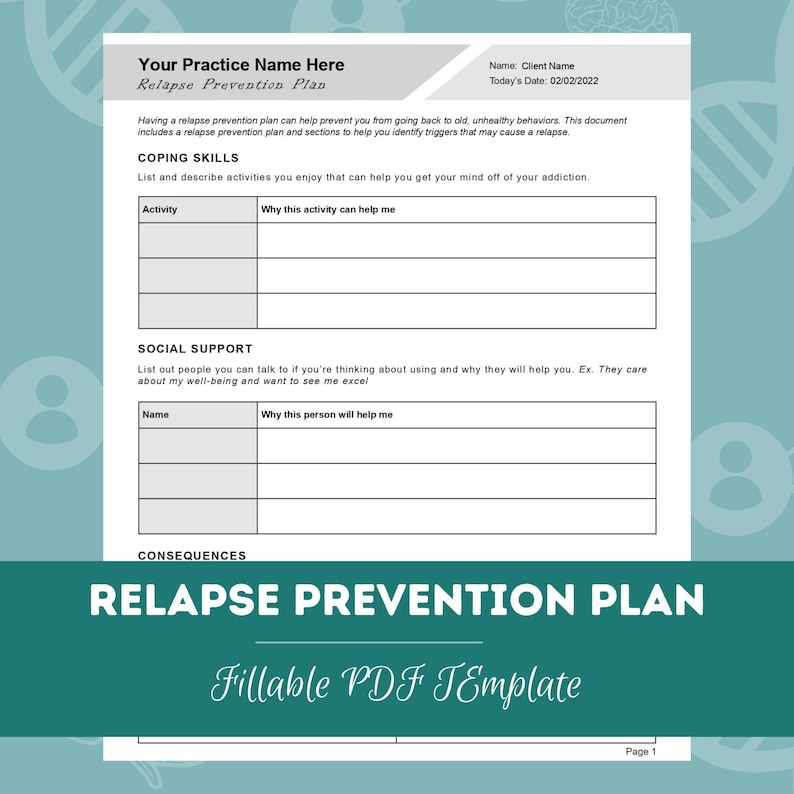
Relapse Prevention Plan Worksheet Editable / Fillable PDF for
![Relapse Prevention Plan Template [PDF]](https://addictionoc.com/wp-content/uploads/2020/10/relapse-prevention-plan-template-PDF-796x1030.jpg)
Relapse Prevention Plan Template [PDF]
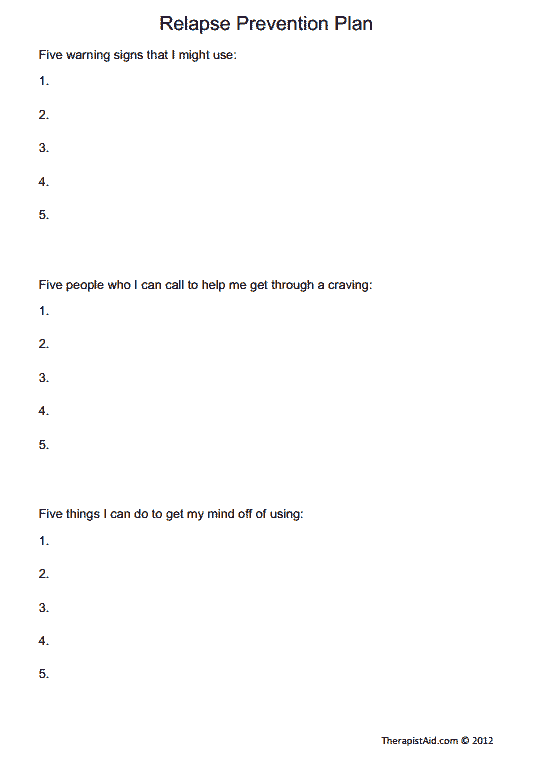
Relapse Prevention Plan Therapist Aid

Relapse Prevention Plan Template Printable Printable Word Searches
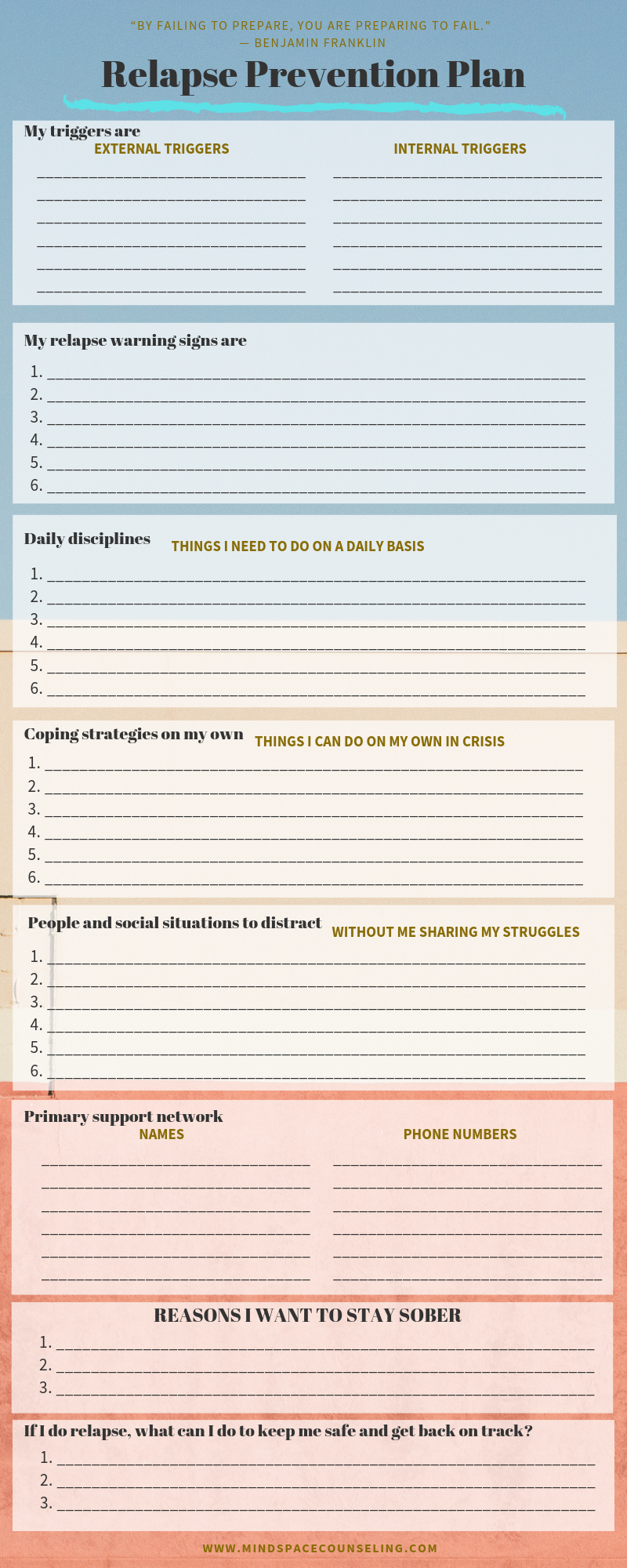
Relapse Prevention Plan Mindspace Counseling Charlotte, NC

Relapse Prevention Worksheet Plan (Editable, Fillable, Printable PDF
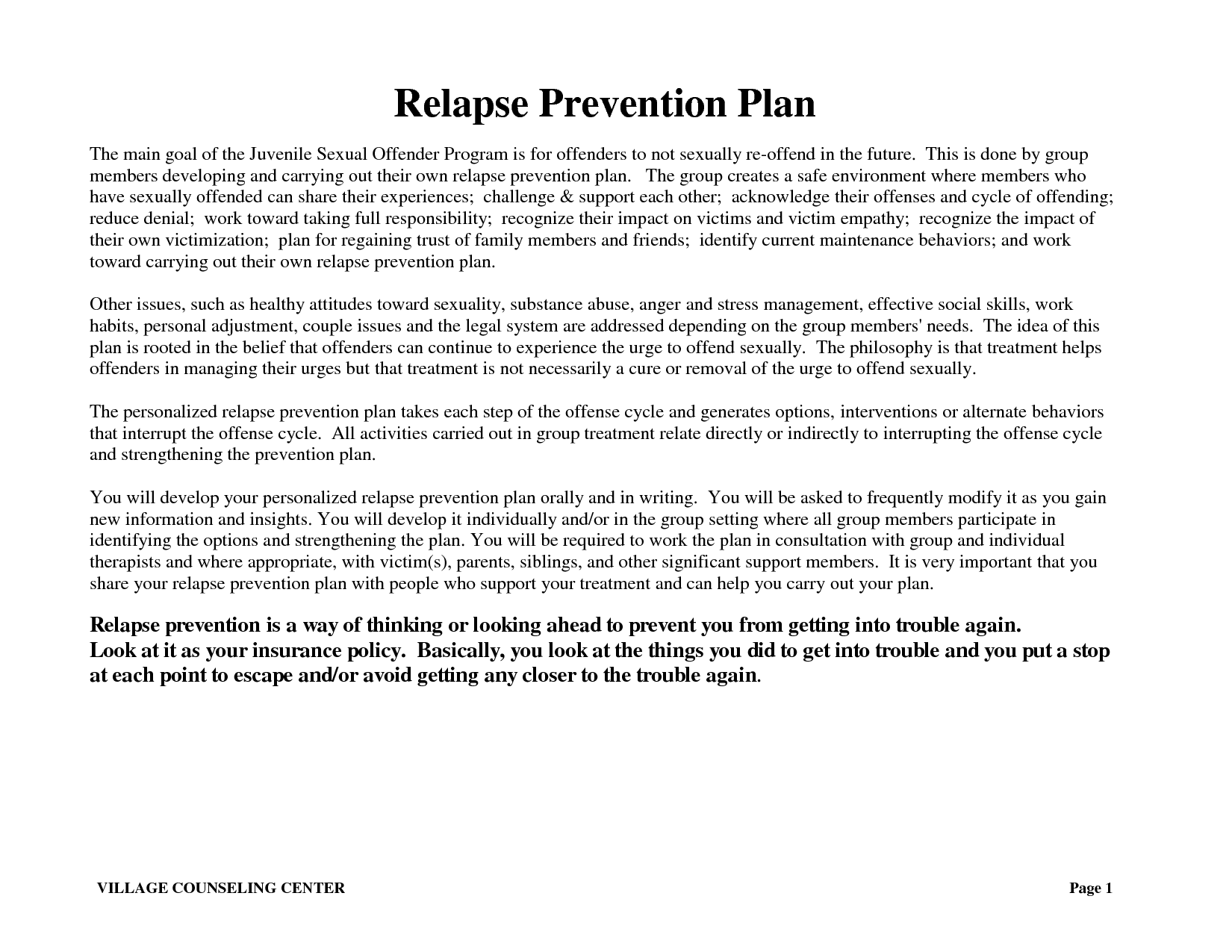
19 Relapse Prevention Plan Worksheet Printable /

My Action Plan For Relapse Prevention MAP recovery

Relapse Prevention Worksheet Plan (Editable, Fillable, Printable PDF

How to Create a Successful Relapse Prevention Plan Relapse
Cravings Also Play A Role In Relapse.
It Also Requires A Plan Of Action.
Relapse Is Not An Event, But A Process.
W E Re M E M Be R
Related Post: